

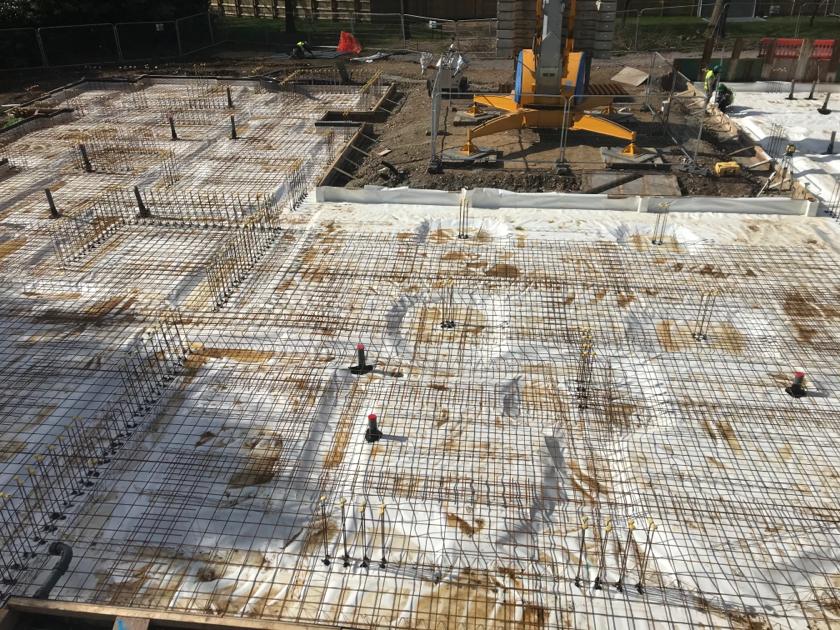
In today’s fast-evolving construction landscape, building structures that are strong, durable, and flexible is more important than ever. One of the foundational elements making this possible is the use of reinforced concrete frames—a technique that Newlands Construction has specialized in for decades.
What Are Reinforced Concrete Frames?
Reinforced concrete frames combine concrete with steel reinforcement bars (rebar) to create a skeleton-like framework that supports a building’s load. This method takes advantage of concrete’s strength in compression and steel’s strength in tension, resulting in a structure that can withstand various stresses, including heavy loads and natural forces like wind or earthquakes.
Why Reinforced Concrete Frames Matter
1. Superior Strength and Durability
Reinforced concrete frames provide exceptional structural integrity, making them ideal for everything from residential buildings to complex commercial developments. They resist cracking, weathering, and fire, ensuring the safety and longevity of the building.
2. Design Flexibility
Because the frames carry the main loads, interior walls can be positioned freely. This flexibility allows architects and builders to create open floor plans and innovative designs without compromising stability.
3. Speed and Efficiency of Construction
Modern techniques in casting and assembling reinforced concrete frames can significantly speed up the construction process. Prefabricated components and on-site casting allow projects to progress smoothly, reducing delays and costs.
4. Sustainability Benefits
Concrete frames, when designed efficiently, contribute to energy savings through thermal mass properties—helping regulate indoor temperatures. Additionally, advancements in recycled materials and eco-friendly cement are making reinforced concrete an increasingly sustainable choice.